How to avoid burnout as a small business owner
Practical advice for small business owners and freelancers who are running on empty. Burnout stats, warning signs, and things that actually help.
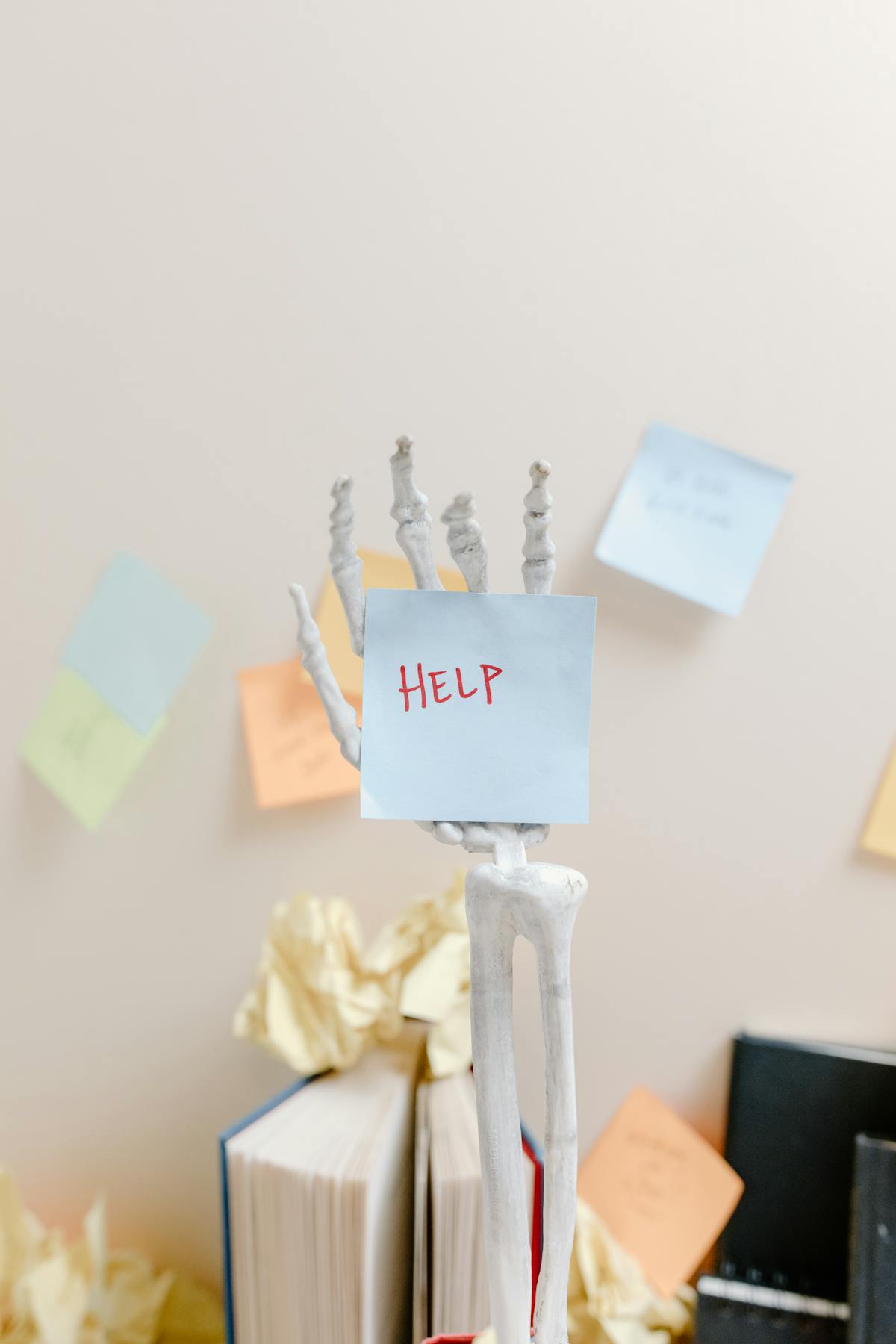
Nobody talks about this at networking events. Everyone’s “really busy, really good, yeah things are going well.” Meanwhile, half the room is running on caffeine and anxiety, checking emails at midnight, and hasn’t taken a proper day off in months.
Burnout in small business is common. Not in a trendy “I’m so busy” way. In a genuine, grinding, this-isn’t-sustainable way.
Here’s what the data says, what the warning signs look like and what actually helps.
The numbers
The stats on small business owner burnout are bleak:
- A 2025 UK survey by Simply Business found that 62% of small business owners reported experiencing burnout in the previous 12 months.
- Self-employed workers in the UK work an average of 42 hours per week, but a significant chunk work 50 to 60+.
- The Federation of Small Businesses reports that mental health is now the number one concern among sole traders, ahead of cashflow and regulation.
- Burnout is highest among business owners in their first 3 years and, surprisingly, among those in years 8 to 12 (the “successful but exhausted” phase).
This isn’t a personal failing. It’s a structural problem with running a small business.
Why small business owners burn out
Big companies have departments. HR handles hiring. Finance handles invoicing. Marketing handles marketing. Operations handles logistics.
You handle all of it. Every hat, every day.
The specific triggers tend to be:
The admin spiral
You started a business to do work you love. Design, consulting, cooking, building, coaching. But 40 to 60% of your week is admin: emails, scheduling, invoicing, chasing, reporting, filing. The work that pays keeps getting squeezed into evenings and weekends.
No boundaries
When your office is your kitchen table and your phone is your inbox, there’s no clear line between “work” and “not work.” You check emails at 10pm because they’re right there. You respond to a client on Sunday because what if they go elsewhere?
The loneliness problem
If you’re a solo operator, you make every decision alone. There’s no one to bounce ideas off, no one to share the load when things go wrong, no one who understands why Tuesday was awful.
Identity fusion
When you are the business, a bad month feels like a personal failure. Client criticism feels like personal criticism. Your self-worth gets tangled up in your revenue.
Warning signs (the ones people ignore)
Burnout doesn’t usually arrive all at once. It creeps in. These are the signals most people notice too late:
- Sunday dread. Not just mild reluctance. A genuine sinking feeling about the week ahead.
- Dropping balls. Forgetting follow-ups, missing deadlines, losing track of conversations. Not because you’re careless, but because your brain is full.
- Cynicism about your own business. The thing you built starts to feel like a trap.
- Physical symptoms. Poor sleep, constant fatigue, headaches, getting ill more often. Your body keeps score even when your brain is pretending everything is fine.
- Procrastination on the important stuff. You’ll rearrange your desk, reorganise your files, answer low-priority emails. Anything to avoid the hard tasks.
- Resentment towards clients. They’re not doing anything wrong. You’re just running on empty.
If three or more of those sound familiar, it’s worth paying attention.
Things that actually help
There’s no single fix. But these are the things that people who’ve been through burnout (myself included) say made a real difference.
1. Audit your time honestly
For one week, track what you actually spend your time on. Not what you think you spend it on. What you actually do, hour by hour. Most people discover they’re spending 2 to 3 hours a day on tasks that don’t directly generate revenue or serve clients. That’s 10 to 15 hours a week of admin, scheduling, inbox management and context-switching.
Once you can see it, you can start fixing it.
2. Decide what only you can do
Not everything on your plate requires your brain. Some tasks need your expertise, your relationships, your judgement. Most don’t.
Draw a line between “only I can do this” and “anyone (or anything) could do this.” The second category is where you start delegating, automating, or eliminating.
3. Automate the repetitive stuff
This is where AI tools have genuinely changed the game for small businesses. Email triage, follow-up reminders, scheduling, document drafts, morning briefings. These are tasks that follow patterns, which means they can be automated.
I built an AI assistant for my own freelance business about a year ago. It handles my email drafts, chases overdue invoices, preps me for client calls, and sends me a morning summary of what needs my attention. It probably saves me 8 to 10 hours a week. More importantly, it took a bunch of low-grade stress off my plate. The “did I forget to reply to that person?” anxiety. Gone.
That experience is actually why I started Freehand. But you don’t need Freehand specifically. The point is: if admin is a major burnout driver for you, automation is worth exploring.
4. Set actual boundaries
Not aspirational ones. Real ones. That means:
- A shutdown time. Pick an hour (6pm, 7pm, whatever works) and stop. Not “finish this one thing.” Stop.
- No email on your phone after hours. Or at least turn off notifications. The world will not end.
- A day off. A real one. Not “I’ll just check in quickly.” A full day where you’re not available.
These feel impossible at first. They’re not. Your clients will adjust. Most of them won’t even notice.
5. Talk to someone
Not about strategy. About how you’re actually doing. A partner, a friend who also runs a business, a therapist, a peer group. The loneliness of solo business ownership is a real burnout accelerator, and the fix is connection, not more productivity tools.
6. Lower the bar on “enough”
Burnout often comes from chasing a moving target. More clients, more revenue, more growth, more output. At some point you need to decide what “enough” looks like and give yourself permission to coast once you’re there.
Steady, sustainable, and profitable is a valid business model. You don’t have to scale. You don’t have to hustle. You just have to keep going.
The uncomfortable truth
Burnout isn’t always about working too hard. Sometimes it’s about working on the wrong things. If you spend 3 hours a day on admin you hate, the solution isn’t to “be more resilient.” It’s to stop doing the admin.
Delegate it. Automate it. Eliminate it. Whatever it takes to get back to the work that made you start the business in the first place.
That’s the real fix. Not working less (though that helps too). Working on the right things.
If the admin side of your business is a major source of stress, it might be worth a conversation about what can be taken off your plate.